I think I’ll change it up this time. Instead of my usual technical ramblings I’d like to introduce you to a few of the books and resources I regularly refer to when digging up recipes, processes, and ingredients lists. I’ve added a list of links at the bottom.
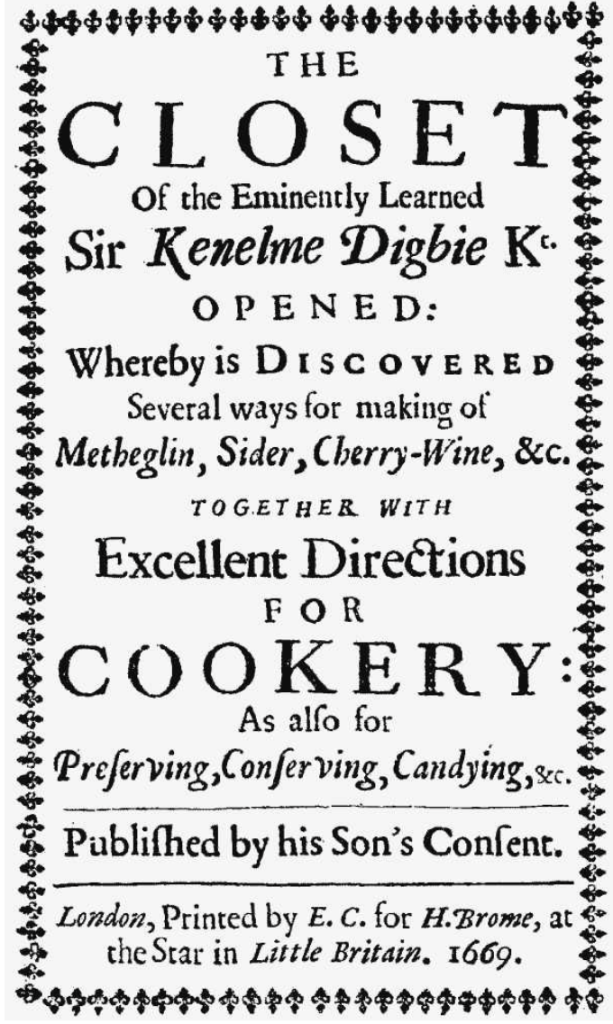
“The Closet of Sir Kenelm Digby Knight Opened“.
The title page reads
“THE CLOSET Of the Eminently Learned Sir Kenelme Digbie Kᵗ OPENED:
Whereby is DISCOVERED Several ways for making of Metheglin, Sider, Cherry-Wine, TOGETHER WITH Excellent Directions FOR COOKERY
As also for Preserving, Conserving, Candying, etc.
Published by his Son’s Consent.
London, Printed by E. C. for H. Brome, at the Star in Little Britain. 1669.“
While there is some controversy as to whether Digby is period (pre-17th century or pre- the death of Elizabeth I in 1603, or pre-the widespread use of gunpowder on the battlefield…) or not, I am of the opinion that the recipes therein originated in period and therefore useable as source material. You may disagree, and that’s OK.
Digby has a multitude of recipes for fermented, and non-fermented honey based drinks, ales, and ciders (as the title suggests). What I like about this text is the detailed descriptions of some of the methods used. For example: The “Small Ale for the Stone” recipe says:Take fourteen Gallons of Water, and half an Ounce of Hops; boil them near an hour together. Then pour it upon a peck of Malt. Have a care the Malt be not too small ground; for then it will never make clear Ale. Let it soak so near two hours. Then let it run from the Malt, and boil it only one walm or two. Let it stand cooling till it be cool enough to work with barm, which let be of Beer rather than Ale, about half a pint.That’s it. As you can see, the description isn’t what we would call a modern recipe, but it does give amounts of ingredients, what to do with them, for how long and eludes to temperatures. Our job is to understand what the measurements are (what’s an ounce? what’s a gallon or a pint?) and discern a process from it. the recipe continues:
After it hath wrought some hours, when you see it come to it's height, and is near beginning to fall in working, Tun it into a barrel of eight Gallons; and in four or five days it will be fit to broach to drink.
And now we know how much he was trying to make! From here we can redact this to modern volumes and build a recipe we can follow.
Speaking of gunpowder, here’s an interesting bit about his notorious father, Sir Everard Digby, from the introduction:
“Kenelm, his [Sir Everard‘s] elder son, born July 11, 1603, was barely three years old when his father, the most guileless and the most obstinate of the Gunpowder Plotters, died on the scaffold.”
What a scoundrel!
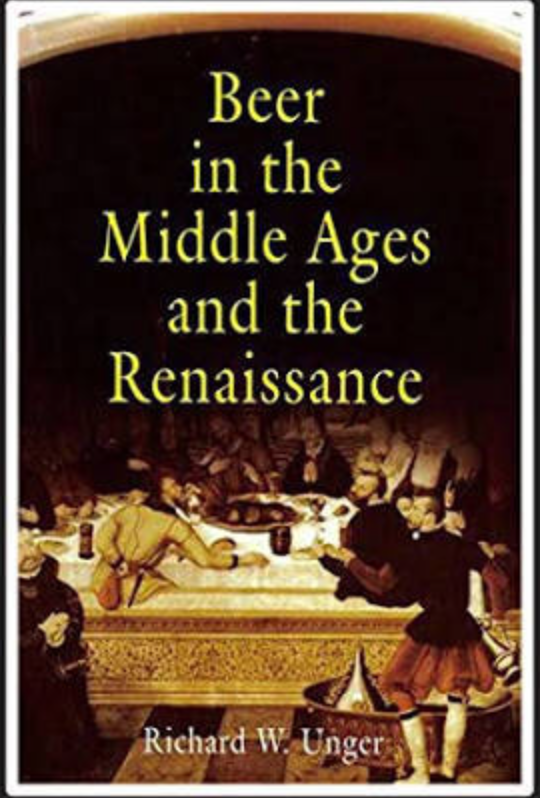
Beer in the Middle Ages and the Renaissance – Richard W. Unger
Beer in the Middle Ages and the Renaissance presents an extraordinarily detailed history of the business, art, and governance of brewing.
As I read through papers on brewing, I’ve found that This volume by Richard Unger is referenced time and again. Unger describes the history of brewing during the Middle Ages and the Renaissance and avoids the before and after periods on purpose. There is a lot of brewing history, so the need to focus is paramount, otherwise you would be telling the story of the history of mankind itself. Best to specialize. A lot of what is covered concerns breweries, taxation of brewing, and how that taxation supported the brewing industry. After all, if your government makes a profit from your business, it’s in their best interest to makes laws that benefit you. (Sounds a bit too familiar)
A Time Traveler’s Guide to Medieval England – Ian Mortimer
The book is confined to the 14th century in England, with passing references to the the rest of Europe. Mortimer goes into details about food, clothing, building materials, the layout of houses, but also covers things like laws, customs, travel, entertainment.
This is a fun read as you are taken on a trip back in time to visit medieval England, complete with shits-creek, tavern brawls, and daily pay rates. We get a “first-hand” look at life in period, from the comfort of our modern-day easy chair.
Mortimer, I. (2009). The Time Traveler’s Guide to Medieval England: A Handbook for Visitors to the Fourteenth Century. United Kingdom: Touchstone.https://www.google.com/books/edition/The_Time_Traveler_s_Guide_to_Medieval_En/Sy4rBUyGcR0C?hl=en&gbpv=1
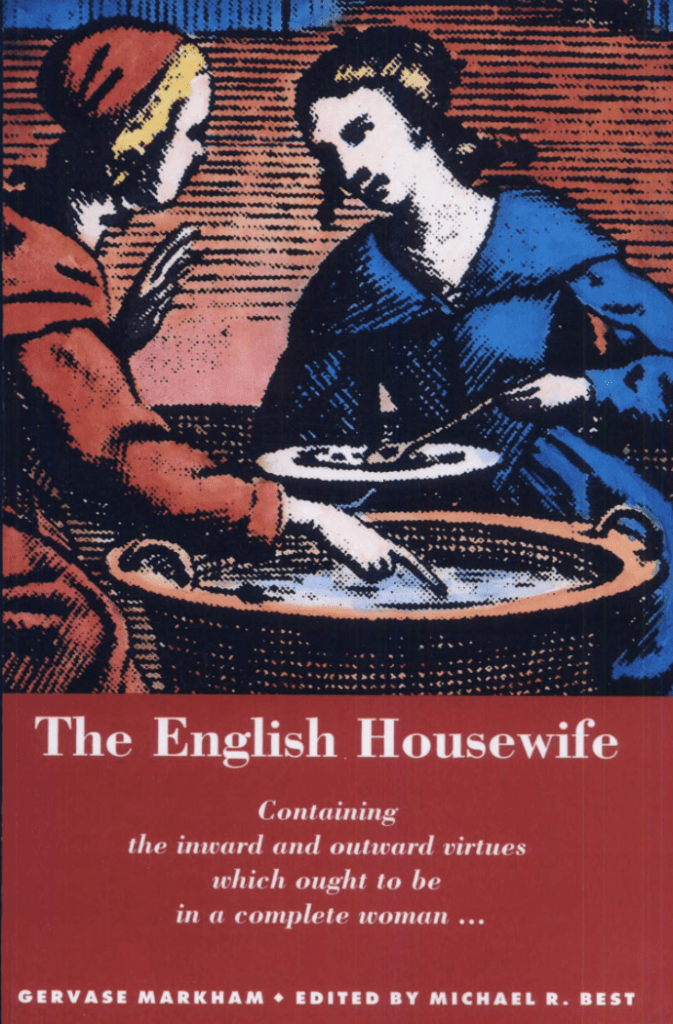
The English Housewife – Gervase Markham
In 1615 Englishman Gervase Markham published a handbook for housewives containing “all the virtuous knowledges and actions both of the mind and body, which ought to be in any complete housewife.
One of my first medieval brews was an “Ordinary Ale” from this book. while not strictly about food or drinks, Markham is steeped in how a medieval manor should be run.
Markham, G. (1994). The English Housewife. United Kingdom: McGill-Queen’s University Press. Originally published: 1615
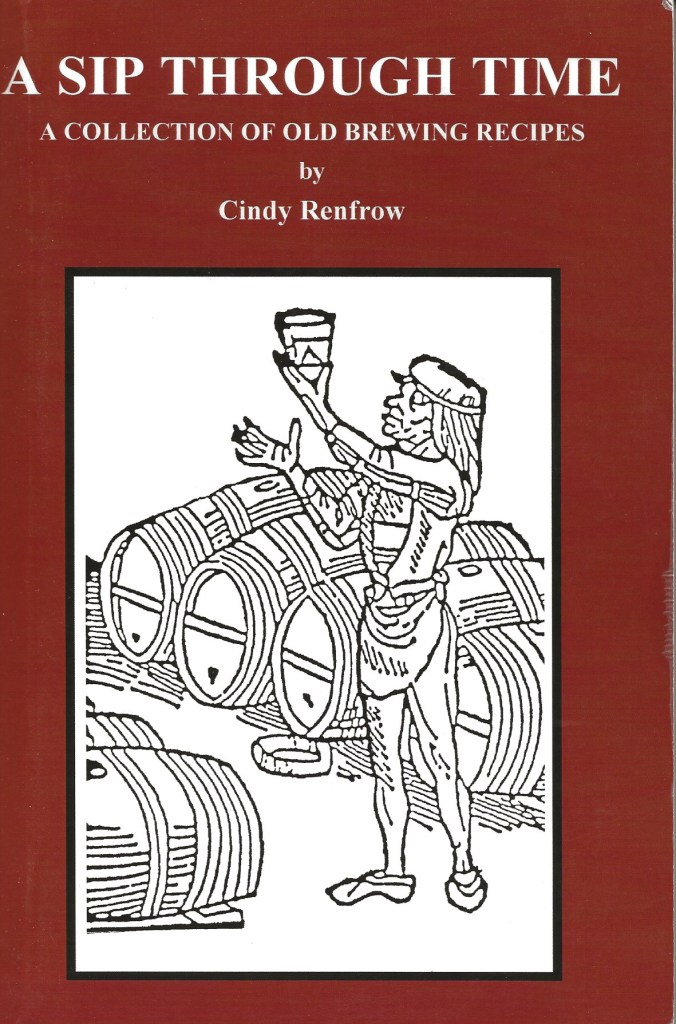
A Sip Through Time by Cindy Renfrow
It compiles over 400 documented, authentic historic recipes for beverages including ale, beer, mead, cider, metheglin, and hypocras.
The recipes span thousands of years of brewing history, dating from 1800 B.C. all the way to modern times.
I found that a lot of the recipes are straight our of Digby, but is still worth the shelf space for the ability to quickly find what you’re looking for. This has been a staple in the historical brewing community for quite a while.
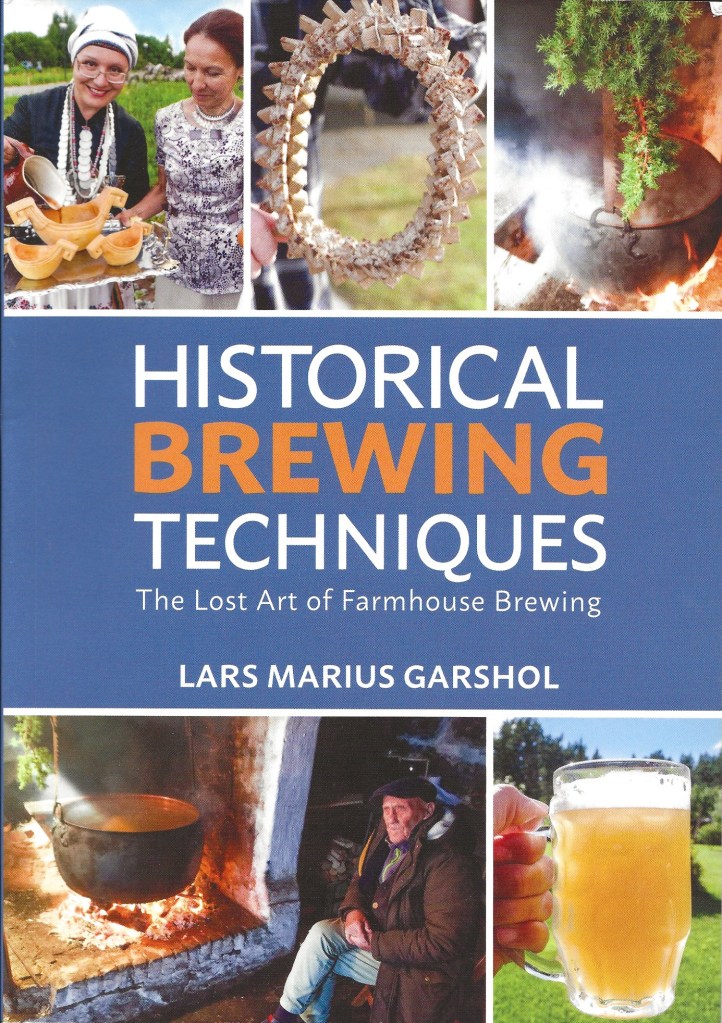
Historical Brewing Techniques – Lars Marius Garshol
Don’t let the name fool you. This book is indeed a valuable resource, but focuses on Scandinavian farmhouse brewing techniques. Garshol traveled to Norway to find about kveik and kvass. He came away with a depth of knowledge passed along from farmhouse brewers long forgotten. “Where did this yeast come from?” is answered only with a shrug and “it’s always been here.” There are recipes for sahti and much more, and instruction on how to culture your own yeast from organic rye.
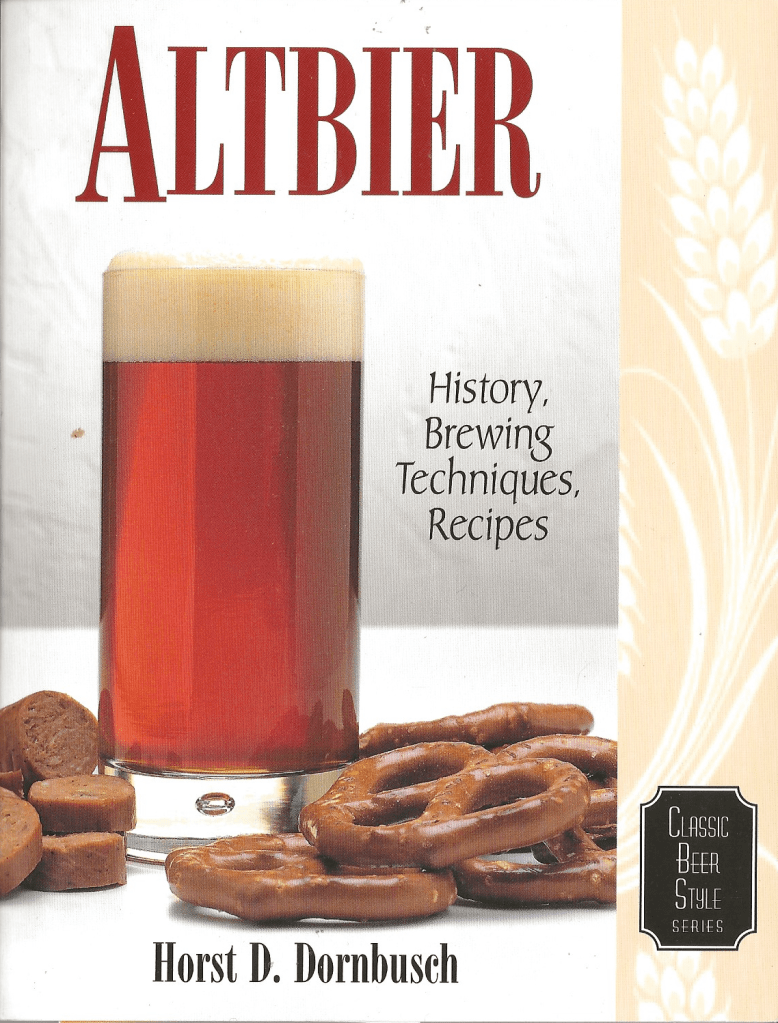
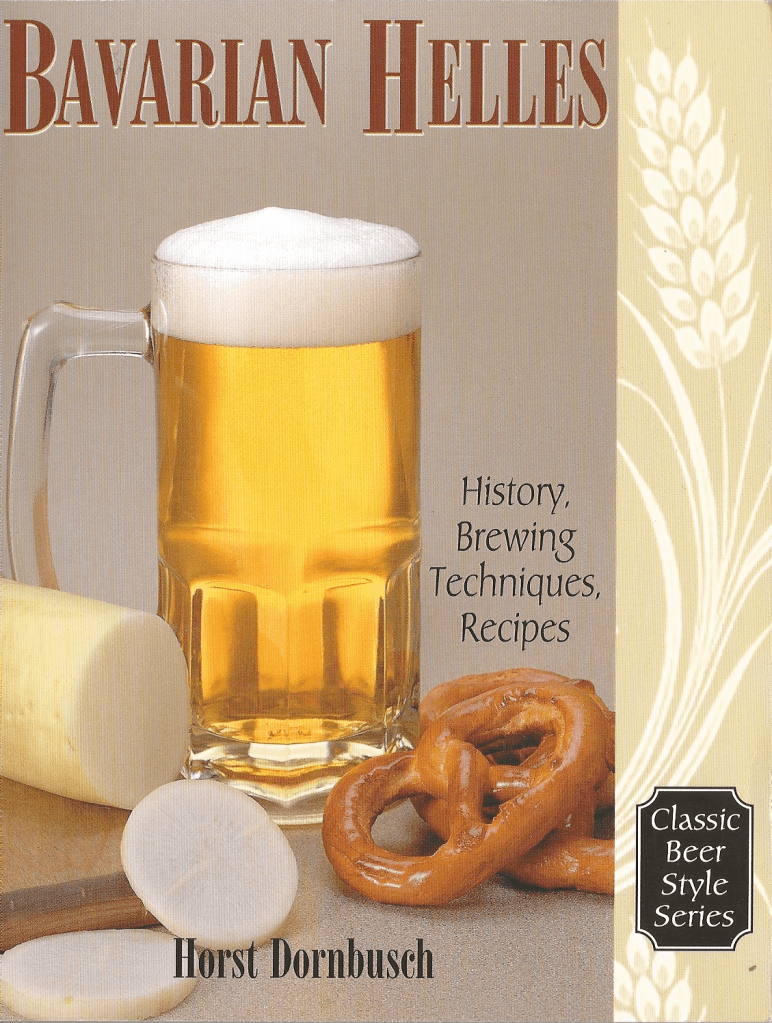
Horst Dornbusch looks at a couple styles, starting with their history, moves to brewing techniques and which breweries produced the style, and finishes up with a set of recipes. I like his straightforward presentation style and the way he compares each style with similar products. He tells us which brews on your modern beer store shelves are of that style. For a modern homebrewer, having the recipes is very helpful in creating our own variations. For historical recreation brewers, these stories and recipes help us understand what brewers in period may have been doing.
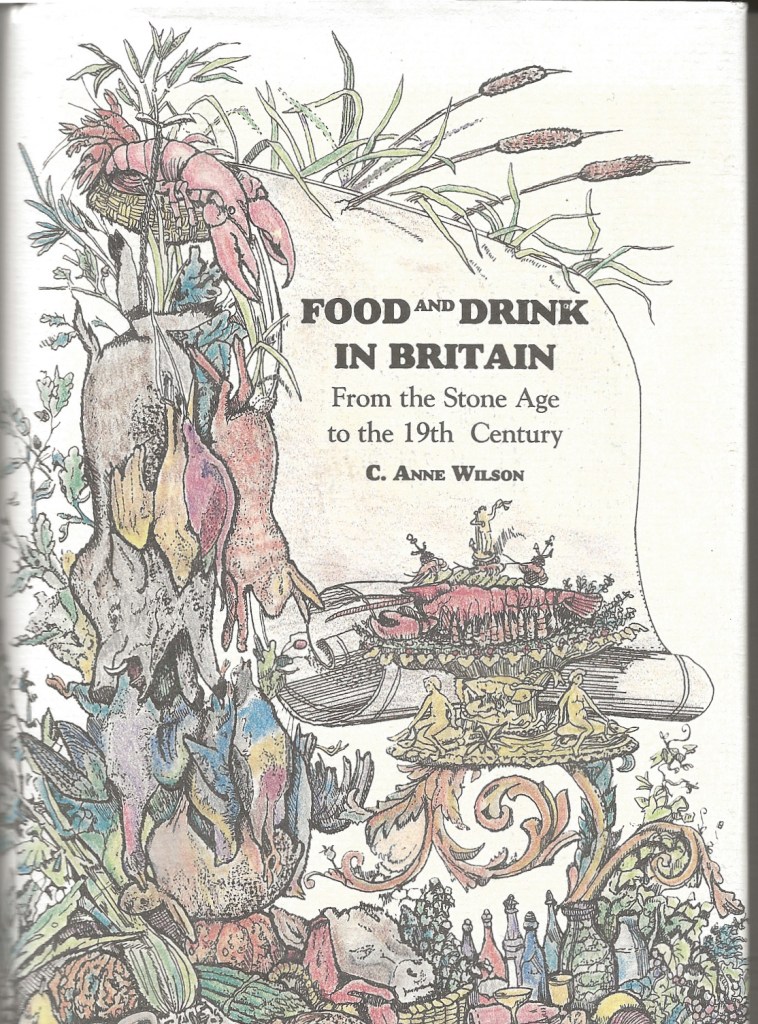
Food and Drink in Britain : From the Stone Age to the 19th Century
Chapters on fish, both freshwater and seafood; game and tame meats, and fowl and eggs; milk and dairy products; you get the picture. There is a chapter on “Drinking in Britain” that covers mead, ales, beer, and cider. Each chapter has subsections for prehistoric times, Roman Britain, Medieval centuries, and modern day cookery. I highly recommend this volume to anyone interested in historic cooking and brewing, or just how folks lived in the past. The references and bibliography section alone is worth the price!
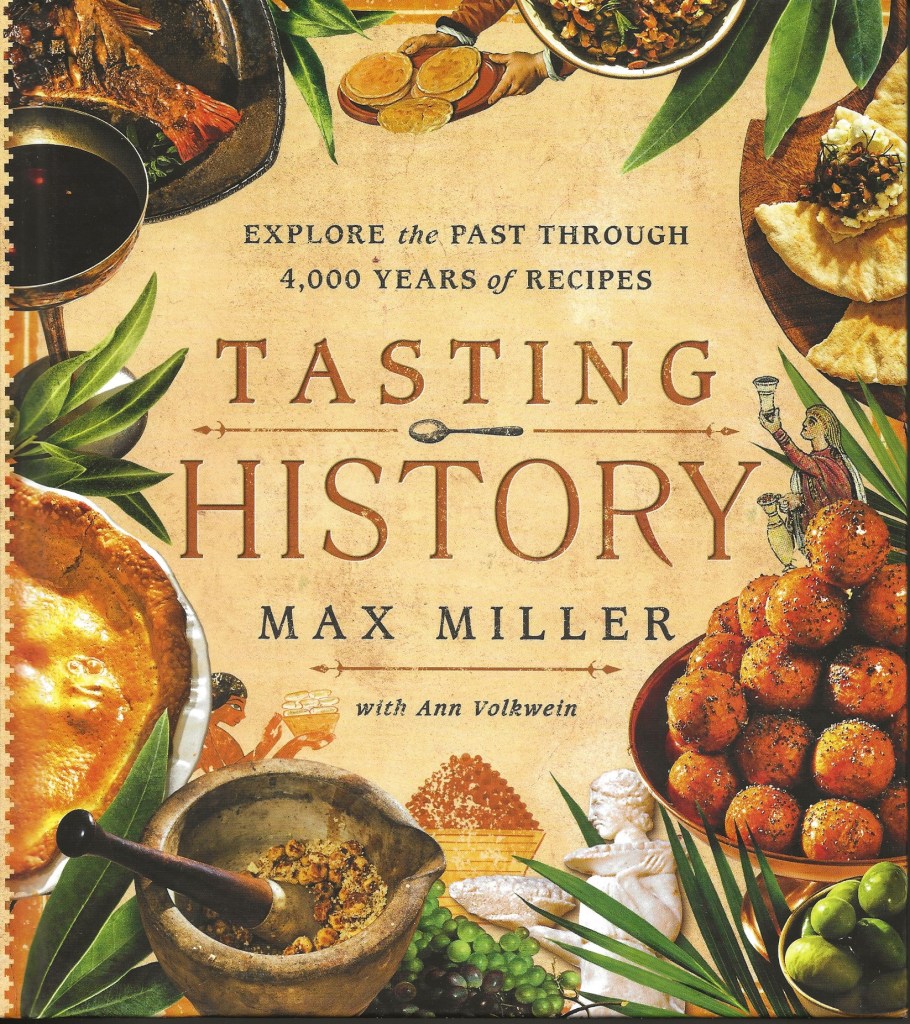
Tasting History – Max Miller
A list of historical cooking and brewing references would be incomplete with out Max Miller. He has a recipe for bochet in here. I also recommend his website/youtube channel.
Online Resources
The Internet Archive – A great place to start looking for actual medieval documents, as well as most anything historical.
Project Gutenberg – Project Gutenberg is a library of 79,095 free eBooks. This is where Digby lives
JStor – JSTOR’s mission is to expand access to knowledge and education for people around the world. If you have access to a university library you most likely can access JStor with those credentials. Or you can get a more limited access plan using your email address.
Academia – an online depository of academic papers. There is a free tier that allows downloads of single papers.
Links
“The Closet of Sir Kenelm Digby Knight Opened“.
“Classic Beer Style Series”, The Classic Beer Style book series by multiple authors includes books Continental Pilsener (Classic Beer Style), Lambic, Oktoberfest, Vienna, Marzen (Classic Beer Style Series), and several more. See the complete Classic Beer Style series book list in order, box sets or omnibus editions, and companion titles.
Food and Drink in Britain : From the Stone Age to the 19th Century, C. Anne Wilson ©1991 Chicago Review Press, Incorporated
Order the Tasting History Cookbook Here
Now, if you’ll excuse me, I have a bunch of books to re-shelve!
How about listing your sources?


Leave a Reply