Hops – An Introduction
“Nevertheless, their bitterness inhibits some spoilage in beverages to which it is added, making them last longer.” Hildegard von Bingen circa 1150 Hops are one of the three ingredients sanctified by the German Beer Purity Law of 1516, known as the Reinheitsgebot. Barley, hops, and water were all that were permitted (yeast was unknown, but…

Alehouses, Taverns, and Inns – a short description
Introduction Throughout the Middle Ages ale and beer were staple beverages for most everyone. “Small ales”, or low alcohol brewed beverages, were a common source of nutrients for the common farmworker. Of course, not everyone was a brewer, nor did every household have the resources to create their daily ration of ale. Enter the alehouses,…
Carrick’s Tavern Ale
This time is a little different approach. Instead of attempting to find a recipe in the sources, redacting it, making it modern, etc. I’m going the other way. I asked myself, “What modern ingredients would make a reasonably authentic period tavern ale?” What I’ve discovers is, although we have the same plants as they did,…
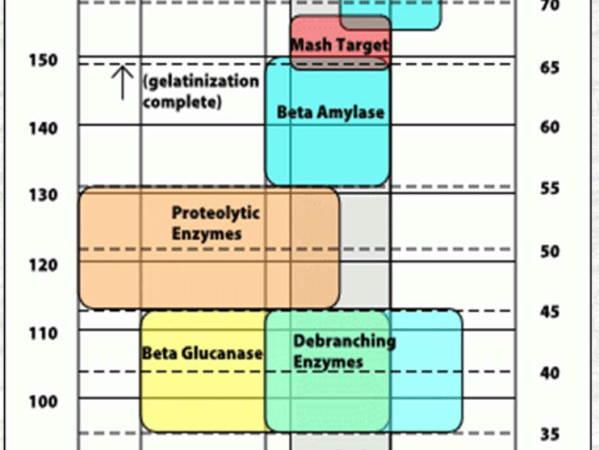
All Grain Brewing – There are benefits in each step of the process
In Neolithic times, it must have been quite a wonder that sweet drinks left alone became alcoholic. Stories abound about servants giving old or sour food and drinks to their masters, only to have the master demand more. That’s a subject for another time, but the fact remains that alcoholic food and drinks have been…
Some of the source material I use regularly
When I’m off trying to dig up ideas or document a beverage, these are the places I generally start. Bibliographies are a treasure trove!

